




Marine
Contact an Expert
Accelerate Marine Emissions Compliance with CATAGEN
CATAGEN enables marine OEMs to meet global emissions legislation faster, with higher accuracy, and greater flexibility using our patented OMEGA technology.
OMEGA recreates representative exhaust temperatures, mass flows and gas compositions without operating a complete engine. This enables controlled, repeatable ageing and characterisation of full-scale aftertreatment systems while reducing fuel use, engine wear and direct combustion-related CO₂ emissions.
From propulsion systems to auxiliary engines, CATAGEN helps marine OEMs understand catalyst performance, identify degradation risks and build confidence before progressing to final engine or vessel validation.
Why Catalyst Ageing Matters for Marine OEMs
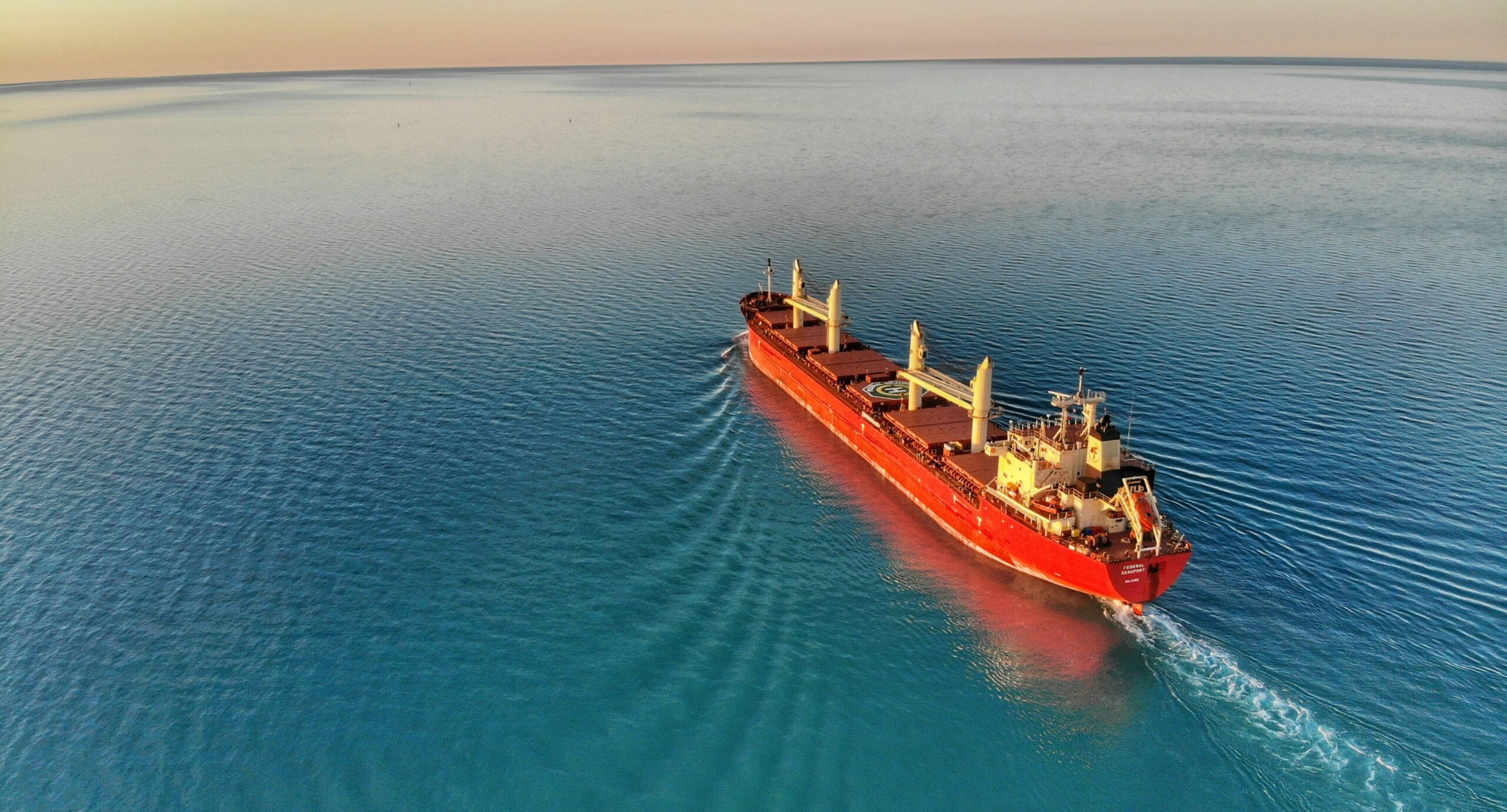
CATAGEN has supported a European marine OEM with the development of an SCR system for IMO Tier III applications. Using the OMEGA reactor, CATAGEN recreated more than 2,000+ hours of exhaust-flow and contaminant exposure without operating an engine.

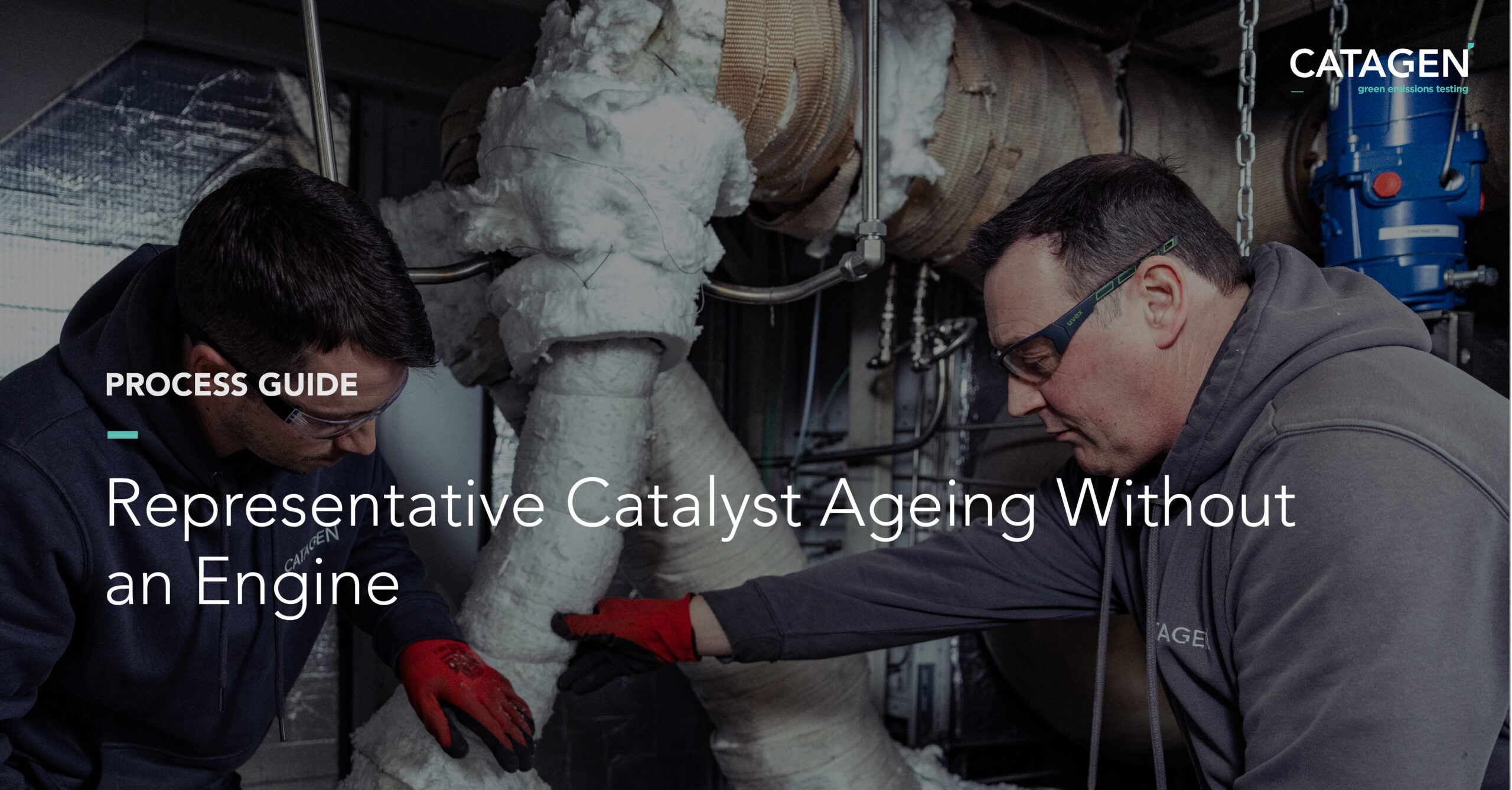
CATAGEN conduct all Catalyst Ageing and Characterisation at full scale on engine after-treatment systems using internationally patented technology; an Electrically Powered Synthetic Gas Recirculating Reactor: The CATAGEN OMEGA
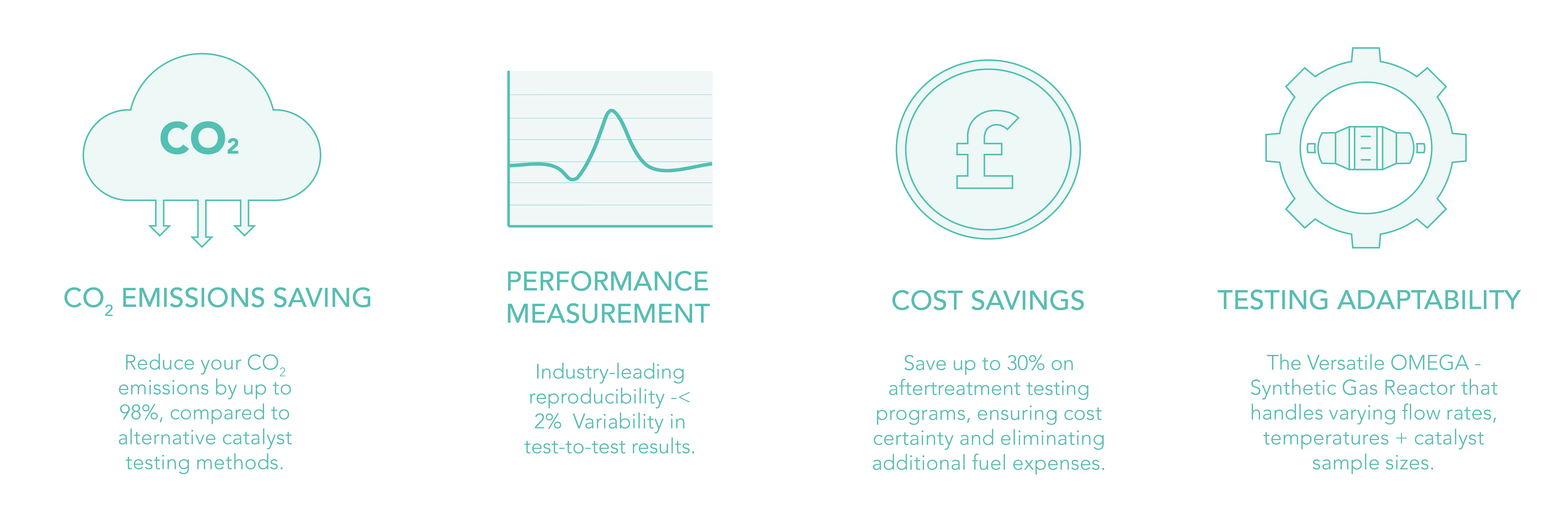
CATAGEN helps OEMs ensure their aftertreatment systems meet these stringent global regulations without engine-based testing. Our process eliminates direct CO₂ emissions and dramatically reduces test energy requirements – helping you meet internal ESG targets as well as regulatory compliance.
Meeting international emissions standards is not optional – it’s a strategic requirement.
Marine emissions compliance continues to grow more complex as international, European and national regulations place greater emphasis on greenhouse-gas reduction, sustainable fuels and emissions performance throughout a vessel’s operational life.
CATAGEN supports marine engine manufacturers, shipbuilders and aftertreatment developers with advanced testing that recreates representative exhaust conditions without requiring access to a complete engine or vessel.
Using patented OMEGA reactor technology, CATAGEN can accelerate catalyst ageing, validate aftertreatment durability and evaluate full-scale system performance under precisely controlled conditions. This enables manufacturers to identify risks earlier, shorten development programmes, reduce testing costs and lower test-cell CO₂ emissions.
Recent International Requirements
- Global: The 0.50% sulphur limit remains, while applicable ships over 5,000 GT face an 11% CII reduction factor against the 2019 reference line.
- Mediterranean: A 0.10% sulphur limit applies.
- Canadian Arctic and Norwegian Sea: New ECAs introduce stricter SOx, particulate and NOx controls.
- European Union: The EU ETS now includes methane and nitrous oxide, alongside FuelEU Maritime requirements.
- United States: EPA Tier 3 and Tier 4 standards continue to apply.
- United Kingdom: MARPOL Annex VI requirements remain in force through UK legislation.
The CATAGEN Toolset can track the ageing experience in real time using the proprietary CATAGEN Ageing Metric. This metric can be used to quantify the total ageing experience for comparisons, test design and degradation history for physical and virtual development of aged parts. We can match your desired catalyst bed temperatures, emissions and mass flows exactly. Where possible, eliminating fuel expenditure and CO2 emissions.
OMEGA Reactor – Precision, Flexibility, Sustainability
The OMEGA Reactor delivers accurate control over temperature, flow rate, and synthetic exhaust gas composition, including a wide range of catalyst poisons.
Benefits:
- High accuracy of flow and temperature control
- Customisable fuel gas compositions for alternative fuels (Bio-fuels included)
- Chemical degradation capability – range of poisons available
- Full scale aftertreatment systems – TWC, SCR, DOC, GPF, DPF, ASC
- Flexible Application Range– OMEGA not fixed to one application e.g., Gasoline or Diesel
- Energy & Costs– No fuel used in the process, high gas recirculation to reduce costs
- Reliability– No engine failures – i.e., no overaged aftertreatment systems or downtime
- Characterisation Flexibility– Temperatures, flow rates and gas composition
- Full Toolset – Physical testing coupled with virtual modelling capabilities
Supported by advanced emissions measurement systems:
- Horiba MEXA One
- MKS FTIR
Publications:
Supporting our partners obtain certification with
CATAGEN powered by 100% renewable energy
